

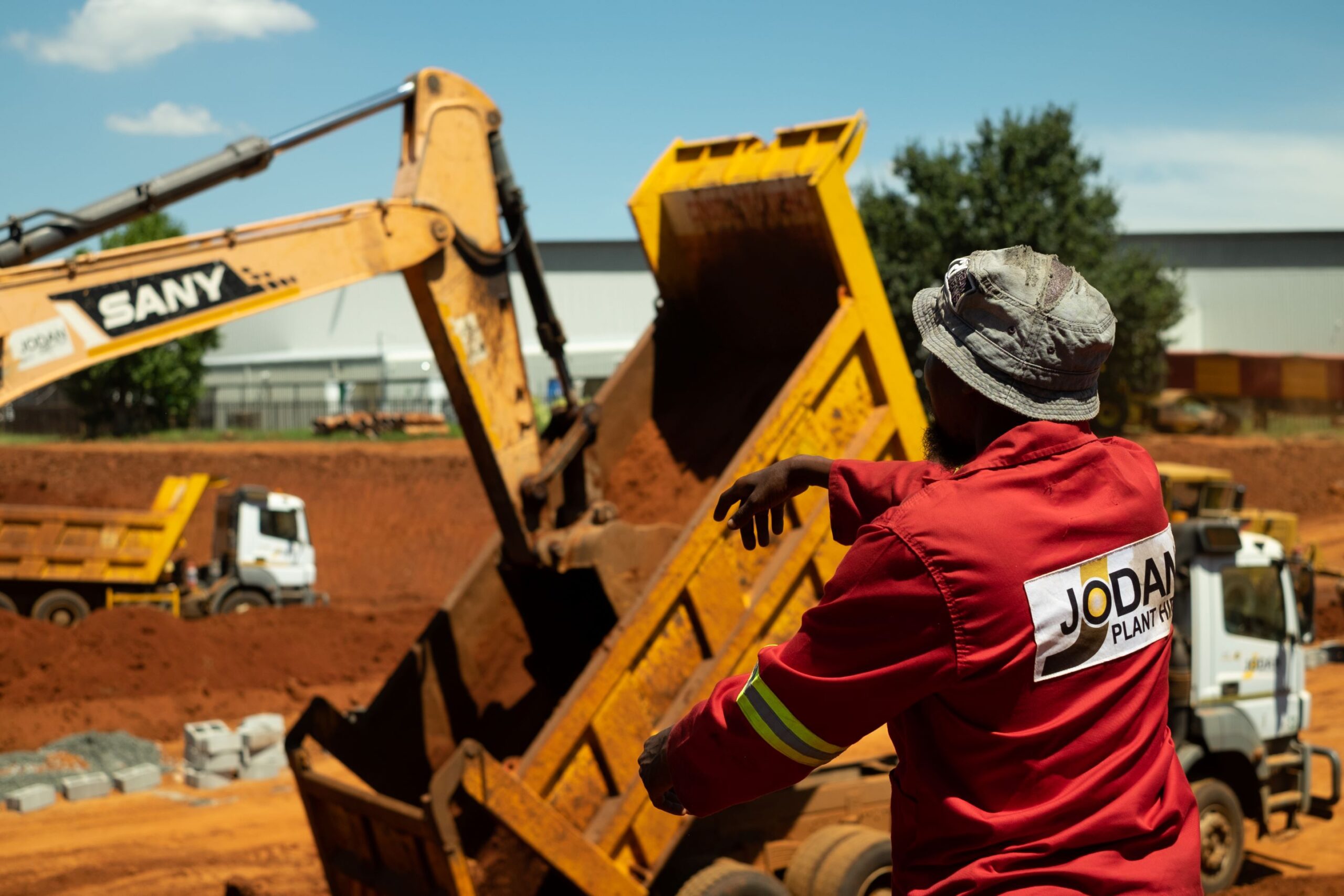
In an industry long defined by hands-on experience, Jodan Construction treats training as a business imperative. By investing in people, the firm builds a capable workforce, improves performance and secures its long-term growth. That conviction has shaped a lasting partnership with Tjeka Training Matters, a provider of practical, industry-aligned construction education.
Dawie Venter, HR Manager at Jodan Construction, notes that practical experience remains essential on any construction site. “Yet we recognise that formal training supplies something experience alone cannot guarantee,” Venter says. “These include consistent standards, recognised competence and a deeper grasp of quality and safety requirements.”
Turning Training into Measurable Site Performance
The construction industry continues to grapple with technical skills shortages, uneven workmanship and limited access to structured development pathways. Formal training helps address these gaps by establishing consistent standards and recognised competence. Venter says Jodan Construction combines theory with practical application. “In this way, we ensure that employees leave training sessions ready to perform to higher standards on site,” he explains.
Investment in training has strengthened employee competence, boosted confidence and opened pathways for people to take on more skilled and responsible roles. On site, the impact is evident in improved workmanship, higher productivity, safer work practices and greater efficiency. Teams follow procedures more reliably and deliver more consistent results. These outcomes, Venter notes, protect both the company’s reputation and the people carrying out the work.
Bridging the Gap Between Training and Site Practice
Jodan Construction has partnered with Tjeka for many years. The decision to work with Tjeka was driven by the provider’s industry knowledge, practical approach and proven ability to deliver quality training. Venter highlights Tjeka’s focus on real site requirements. “The company’s programmes are relevant, measurable in their impact and designed so that skills transfer directly to the workplace. Employees return to site equipped to apply what they have learned immediately. This is an approach that distinguishes Tjeka as a leader in construction skills development.”
In Venter’s view, effective construction training must be relevant, practical and aligned with industry standards. “Formal learning and site-based experience are not alternatives; they must reinforce each other to build genuine competence,” he says. “Tjeka’s approach embodies this principle, bridging the classroom and the construction site in a way that produces work-ready artisans and supervisors.”
Developing Skills to Build Construction’s Future
The South African construction industry has significant potential to create employment and sustainable careers. Realising this potential depends on continued infrastructure investment and, crucially, accessible skills training. Venter emphasises that construction companies such as Jodan Construction have a clear role to play. “By developing scarce skills and offering practical pathways into employment, we strengthen the national workforce and contribute to broader economic growth. Continued investment in high-quality training is the mechanism that turns that role into reality.”
Frans Toua, Chief Executive Officer of Tjeka, says the company has positioned itself at the centre of this effort. “Through long-term partnerships with forward-looking contractors and a focus on practical relevance, Tjeka has established itself as a leader in construction skills development. Our track record demonstrates the measurable impact of this approach,” he concludes.
For Jodan Construction, investing in training means building a workforce that delivers better workmanship, works more safely and takes on greater responsibility. Its long-standing partnership with Tjeka demonstrates how practical, industry-aligned training can strengthen individual careers while improving performance on site. As South Africa looks to construction to support infrastructure delivery and employment, developing these skills will be essential to building a more capable, productive industry.